Your Body Under Renovation: Our constant adaptation process and how movement increases our lifespan
For your house you want a solid frame — something that can handle storms, shifting ground, and the test of time.
Your body’s no different. It’s the frame you live in every single day.
But here’s the catch: a house only needs to be built once. Your body? It’s under construction for life.
Our bodies are meant to move and adapt. They remodel based on what we do — or don’t do — with them. Movement and weight-bearing exercise are what makes our frame - our musculoskeletal system - strong and durable. And we want this because the quality of our bones, joints and muscles are directly linked to how long — and how well — we live. Investing in our frame increases both our lifespan and our quality of life.
Bones: The Support Beams of the Body
Unlike the wooden beams of a house, bones are living tissues that change in response to the stresses we put on them. When you stress bones through weight-bearing and resistance training, they respond by getting denser and stronger.
Think of bone structure like a loofah sponge: the denser the sponge, the stronger it is. Skip the loading, and that loofah starts to hollow out. This low bone density sets the stage for fractures — and two of the most common and life-changing are hip fractures and vertebral compression fractures.
Hip Fractures: The Turning Point
A hip fracture is not just a broken bone — it’s a major turning point in health and independence.
About 1 in 5 older adults die within a year of a hip fracture. Recovery is physically demanding, and complications like infection or blood clots make it even tougher.
Even five years later, nearly 4 in 10 people who’ve had a hip fracture have passed away — far more than those their same age who haven’t broken a hip. They lose strength, balance, and independence, making it hard to return to their usual activities or even live alone.
In short: hip fractures don’t just threaten life — they take away independence. Roughly 1 in 5 people end up moving into a nursing or long-term care facility within one year of a fracture, often because recovery is slow and mobility never fully returns.
Vertebral Compression Fractures: The Silent Thief
Just as damaging — but often less visible — are vertebral compression fractures in the spine. These happen when weakened bones collapse under normal pressure, sometimes from something as simple as bending, coughing, or lifting a light object.
They can be extremely painful, cause the spine to collapse forward, and lead to loss of height, a stooped posture, and chronic pain. While hip fractures often signal the end of independence, vertebral fractures quietly steal it piece by piece, making standing, walking, and sleeping difficult. Over time, that loss of movement snowballs into weakness, imbalance, and even more risk of falls and fractures.
Keeping bones strong through resistance training, nutrition, and regular movement is one of the best investments we can make to protect both lifespan and quality of life — and to make sure our body’s frame holds up through every adventure.
Joints: Movement, Balance, and Body Awareness
Unlike the frame of a house- which you hope doesn’t move too much- our joints are designed for motion. Movement lubricates joints. We also get our sense of balance and body awareness from movement. When we don’t move, our bodies literally start to lose track of where they are in space.
That awareness — called proprioception — comes from specialized nerve endings known as proprioceptors, which live in large numbers in our joints, ligaments, and muscles. They constantly send feedback to the brain about position, pressure, and motion.
When we stop challenging those systems — by moving less, training less, or avoiding positions that require coordination — those signals weaken. It’s like turning down the volume on your body’s internal GPS.
The result? You feel less stable, your reaction times slow, and your risk of falls and injury rises. The opposite is also true: when we move through full ranges of motion, train balance, and load our joints safely, we sharpen those proprioceptive pathways and keep our nervous system tuned.
That’s why our gym routine shouldn’t be just deadlifts, squats, and bench press. Those are great strengthening lifts, but our frame thrives on more variety – and if you workout at the Sweat Lab, you already know a variety of movements!
We need to move
dynamically (changing direction and tempo)
reactively (responding to movement or instability)
and unilaterally — meaning one side at a time.
Training unilaterally forces your stabilizing muscles to fire and your balance system to engage, revealing and correcting side-to-side differences that bilateral lifts can hide. And we need to move in all planes of motion — not just forward and back (the sagittal plane), but side to side (frontal) and rotationally (transverse). That’s how real life moves, and that’s how our joints stay adaptable and resilient.
In short, movement trains awareness as much as it trains strength — and that awareness is what keeps us upright, confident, and capable in motion.
Muscles, Tendons, Ligaments, and Fascia: The Movers and the Glue
Muscles are incredible organs that keep us upright and power our movements. Way beyond looking good, muscles are of the biggest predictors of how long and how well we live.
The medical term for low muscle mass, often age-related, is sarcopenia - and it’s no small thing. Research shows that people with sarcopenia have about double the risk of dying earlier compared to those who maintain muscle mass and strength. In one large cohort, individuals without sarcopenia lived on average six years longer than those who had it. That’s six years of waking up, breathing, eating, walking, doing work you love and spending time with those you love — all earned through strength.
You don’t need huge muscles - it’s about muscle strength. One of the simplest measures researchers use is grip strength, because it reflects overall strength and neural drive. In multiple studies, those with weaker grip strength had about twice the risk of all-cause mortality (twice as likely to die from anything) and for every 5 kilograms (about 11 pounds) decrease in grip strength, the risk of death went up roughly 16%.
So yes — your grip on that barbell, kettlebell, or pull-up bar isn’t just about performance. It’s a direct marker of longevity and vitality.
Along with your joints and muscles, your tendons, ligaments, and fascia all benefit from variety in exercises. Tendons and ligaments remodel more slowly than muscle — they don’t have the same blood supply — but they adapt beautifully to consistent, intelligent loading. The collagen fibers get stronger and more organized, meaning fewer injuries and better power transfer. Finally, think of fascia like the body’s internal webbing: it connects, stabilizes, and helps transmit force between muscles. When we move well and move often, that web stays resilient and responsive.
The Remodeling Difference between Bodies & Houses
When you build a house, the frame is static — you build it once and it holds unless something drastic happens.
Our frame is different. It’s constantly remodeling. Bones, muscles, tendons, ligaments, and fascia are living tissues that adapt to how we use them. Bones have great blood supply — they can heal from a fracture in about 4–8 weeks. Ligaments and tendons, with less blood flow, can take months to reach the same level of repair after injury. The point is, the body heals, and the body changes based on the demands we put on it. We thrive on regular tissue loading via resistance training, along with movement variety and time for recovery.
Practical Takeaways
Lift heavy things — safely and consistently.
Use weights, bodyweight, or resistance bands to load your frame. Bones and muscles only stay strong when you give them work to do.
Move through your full range of motion.
Joints thrive on motion — it’s how they stay lubricated and mobile. Don’t just train strength; train variety of movement.
Challenge your balance and stability.
Strong bones help less if you’re tripping over your own feet. Include single-leg work, dynamic drills, and surfaces that make your stabilizers cab do their job.
Respect recovery.
Muscles grow, tendons remodel, and fascia reorganizes when you rest well, sleep deeply, and fuel properly. How you recover determines how you adapt.
Mind your posture and everyday movement.
The way you sit, stand, lift, and move between workouts teaches your body what to keep — or what to lose. Move often, and move well.
What to Invest In: Crypto, Real Estate, Stocks, Your Body?
While all sorts of investments might be looking risky, this one is pretty clear- invest in your health. Your body is literally you in the future. The more we put into maintaining it now, the longer it supports everything we love to do — from squatting a barbell to squatting on the trail, and yes, even getting up from the toilet unassisted when we’re eighty. Your strong future self will thank you.
About the Author
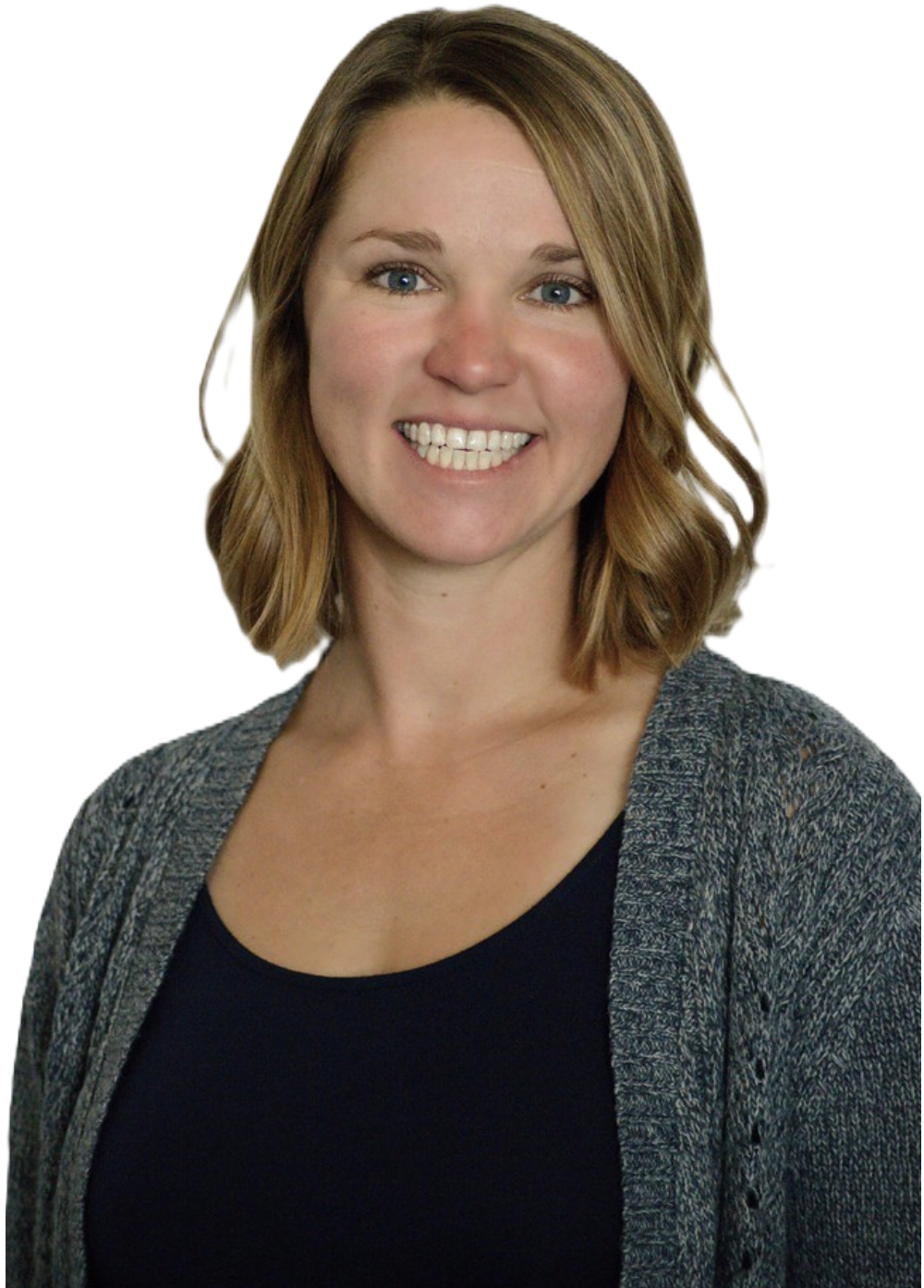
Dr. Laura Wright is a sports chiropractor and co-owner of Ascent Health & Performance in Anchorage, where movement meets medicine. She helps active Alaskans—from weekend warriors to high-performing athletes—stay strong, mobile, and pain-free so they can keep doing what they love for decades to come.
@ascenthealth_ak